
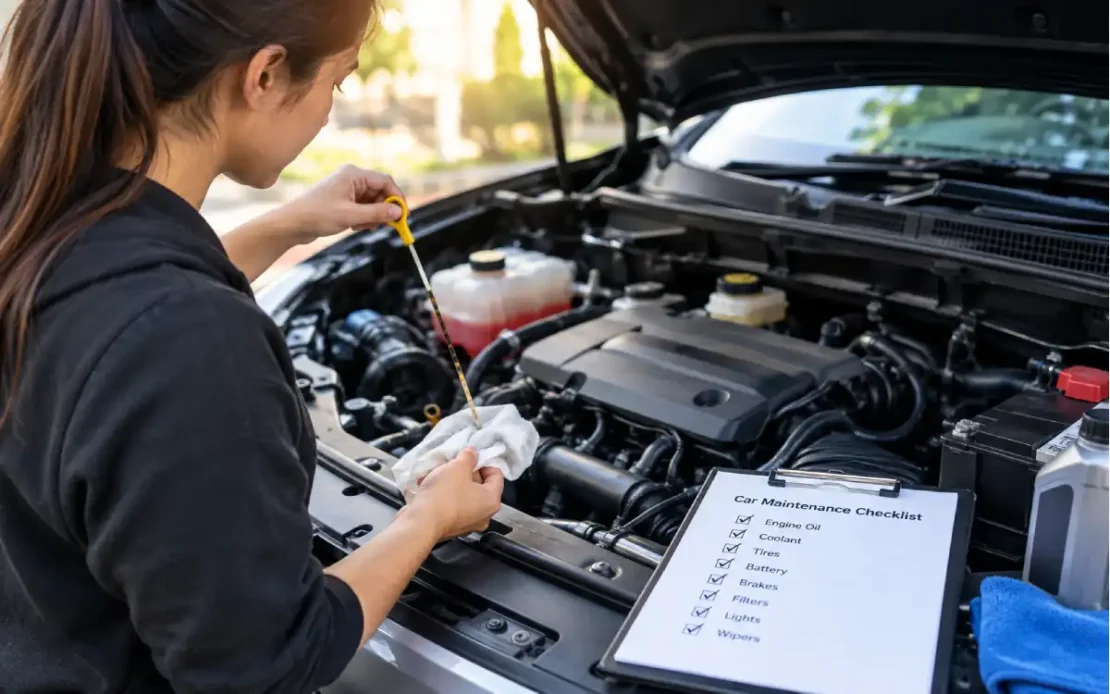
Learning basic car maintenance is one of the best ways to become a more confident vehicle owner. Simple habits such as checking fluids, paying attention to warning lights, inspecting tires, and following the maintenance schedule can help drivers catch problems before they become more serious.
At the same time, beginners can make mistakes by ignoring symptoms, replacing parts without proper diagnosis, or assuming that a vehicle is fine because it still runs. Many automotive problems develop gradually, and waiting too long can allow damage to spread to other components.
One example is the exhaust and emissions system. Problems involving catalytic converters can sometimes begin with symptoms such as a check engine light, reduced performance, unusual exhaust smells, or failed emissions testing. However, replacing a converter without identifying why it failed can lead to another expensive problem later.
Good maintenance is not about replacing parts at the first sign of trouble. It is about recognizing changes, checking the basics, and knowing when a problem requires professional diagnosis. Avoiding a few common mistakes can help beginners take better care of their vehicles while reducing unnecessary repairs.
Ignoring Engine and Exhaust Problems Can Get Expensive
One of the biggest mistakes new car owners make is ignoring the check engine light. The vehicle may still seem to drive normally, so it can be tempting to assume the warning is not important.
A check engine light can appear for many reasons. Some are relatively minor, while others can point toward problems that affect engine performance, fuel economy, or emissions. The light is best treated as a reason to investigate rather than something to ignore indefinitely.
A flashing check engine light can indicate a more urgent issue, such as a severe misfire. Continuing to drive under those conditions may damage other components. Drivers should follow the vehicle manufacturer’s guidance and have the problem checked promptly.
Unusual engine behavior also deserves attention. Rough idling, hesitation, reduced power, knocking, or frequent stalling can all indicate that something is not working correctly.
These symptoms may involve ignition components, fuel delivery, airflow, sensors, or other systems. Replacing parts without diagnosis can quickly become expensive because several different problems can create similar symptoms.
Exhaust changes can provide clues too. A strong sulfur-like odor, unusually loud exhaust, rattling from underneath the car, or visible smoke should not simply be accepted as normal aging.
Exhaust leaks can also create a safety concern if gases enter the passenger compartment. Drivers who notice unusual exhaust smells inside the vehicle should have the system inspected.
Another common mistake is continuing to drive while the engine overheats. A rising temperature gauge, steam, coolant warning, or repeated coolant loss can point toward a cooling-system problem.
Overheating may be caused by a leak, thermostat problem, radiator issue, cooling fan problem, water pump failure, or another condition. Continuing to drive an overheating engine can lead to much more expensive repairs.
Transmission symptoms should receive similar attention. The transmission is responsible for transferring engine power while providing the gear ratios needed for acceleration and cruising.
Slipping, delayed engagement, harsh shifting, unusual noises, or a sudden change in shift behavior may indicate that the system needs inspection. These symptoms do not automatically mean the entire transmission needs replacement, but ignoring them can allow a smaller problem to become more severe.
Fluid leaks should never be dismissed either. Drivers may notice spots underneath the vehicle and assume that every leak is minor. While condensation from the air-conditioning system can be normal, oil, coolant, transmission fluid, brake fluid, or fuel leaks deserve attention.
The color and location of the fluid may provide clues, but it is not always easy to identify the source accurately. If fluid levels repeatedly drop, professional diagnosis can help determine where the system is losing fluid.
Another mistake is assuming that louder noises will eventually disappear. Squealing belts, grinding brakes, clunking suspension components, or knocking engine noises usually deserve investigation.
Some sounds may be caused by relatively simple wear items, but waiting can allow related components to become damaged.
The safest approach is to learn what the vehicle normally sounds and feels like. When something changes, pay attention instead of hoping it corrects itself.
Small Maintenance Checks Can Help Catch Trouble Early
Routine checks can help drivers identify problems before they become emergencies. One of the simplest is checking engine oil according to the vehicle manufacturer’s procedure.
Low oil levels can reduce lubrication, while old or contaminated oil may not protect the engine as effectively as intended. Drivers should follow the recommended oil type and change interval rather than relying on a single schedule for every vehicle.
Coolant is another important fluid. A cooling system that repeatedly loses coolant may have a leak even if the engine has not overheated yet. Drivers should never open a pressurized cooling system while the engine is hot.
Tire pressure should also be checked regularly. Incorrect pressure can affect handling, fuel economy, and tread wear. The recommended pressure is usually listed on a label inside the driver’s door area or in the owner’s manual.
While checking pressure, look at the tread and sidewalls. Uneven wear, cuts, bulges, or repeated pressure loss can indicate a problem that needs inspection.
Battery terminals are another easy place to look. Corrosion, loose connections, or damaged cables can cause starting problems that may be mistaken for a failed battery.
Drivers should also pay attention to slow cranking or repeated jump starts. A weak battery, charging-system problem, or electrical drain may be responsible.
Filters are simple maintenance items that are often forgotten. Engine air filters help prevent dirt from entering the intake system, while cabin air filters help clean the air entering the passenger compartment.
A clogged engine air filter can restrict airflow, and a neglected cabin filter can reduce heating and air-conditioning airflow. Replacement intervals depend on the vehicle and driving conditions.
Fuel-system maintenance is another area where beginners should avoid assuming that one product can fix every problem. A best fuel injector cleaner option may be considered when appropriate for a particular vehicle, but additives should be compatible with the engine and used according to product instructions.
If a car continues to hesitate, misfire, or run poorly, the cause may involve spark plugs, ignition coils, sensors, vacuum leaks, fuel pressure, or other components. Adding cleaner repeatedly without diagnosing the problem can delay a necessary repair.
Wiper blades and exterior lighting are also worth checking. Worn wipers can reduce visibility during bad weather, while burned-out headlights, brake lights, and turn signals can make the vehicle harder for other drivers to see.
Brake behavior should never be ignored. Grinding, squealing, vibration, longer stopping distances, or a change in pedal feel should prompt inspection.
Keeping simple maintenance records can help beginners stay organized. Note the mileage and date when oil, filters, batteries, brakes, tires, or other components are serviced.
These records make it easier to know what has already been done and what may be due soon. They can also help identify repeated problems with the same system.
Another common mistake is replacing parts based only on a trouble code. Diagnostic codes identify where the vehicle detected a problem, but they do not always identify the exact failed component.
A code related to an oxygen sensor, for example, may be caused by the sensor itself or by another problem affecting the readings. Proper diagnosis can prevent unnecessary parts replacement.
Beginners should also avoid taking on repairs that exceed their tools or experience. Basic maintenance can be a great way to learn, but steering, braking, fuel systems, airbags, and complex electrical problems may require professional equipment and knowledge.
Knowing when to stop is part of good DIY maintenance.
The biggest maintenance mistakes usually come from waiting too long, guessing at the cause, or treating warning signs as normal. Cars often provide clues before a major failure occurs.
By checking fluids, tires, batteries, filters, lights, and other basic items regularly, drivers can become more familiar with their vehicles and notice changes sooner.
Good maintenance does not require diagnosing every problem at home. It requires paying attention, following the manufacturer’s service schedule, and taking symptoms seriously when something begins to change.
Those simple habits can help reduce unexpected breakdowns, avoid unnecessary parts replacement, and keep a vehicle running more reliably over the long term.