
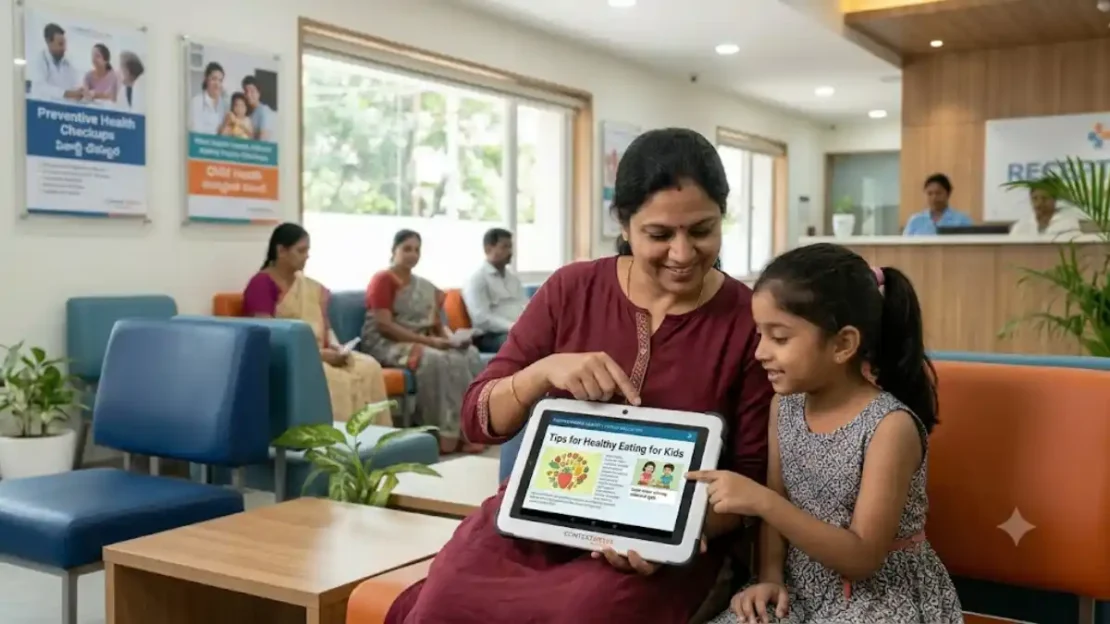
The Context Media Health Tablet helps healthcare providers engage with their patients via digital. A tablet is the latest healthcare technology to improve how a patient can be educated about their condition. Healthcare providers now have available Context Media Health Tablets where patients can access up-to-date information regarding their condition when they have time or wait at appointments to meet their physicians.
These are unlike commercial grade consumer tablets; these have the intent of educational healthcare.
A user may be better informed about conditions and what is the current, standard treatment option for patients. This may allow a patient to make healthier choices with regard to a good diet and lifestyle. Let’s see how a tablet such as Context Media is used and what users can learn.
Definition:
The Context Media Health Tablet provides a digital information service to clinical environment to help patients make informed decisions by offering access to patient educational resources, health and wellbeing information and specific condition based guidance. It supports clinicians in the consulting room while empowering patients.
Rather than substitute or replace a doctor or other clinician the Health Tablet enhances existing practice by being available for a patient to access content before, during or after a consultation, to help supplement information which the clinician will be able to share or to clarify information the clinician has provided.
There is a growing number of health care organisations opting for digital information solutions, as they can deliver a uniform message and engage the audience in a way that may not always be achieved with leaflets.
Why Digital Patient Education Matters
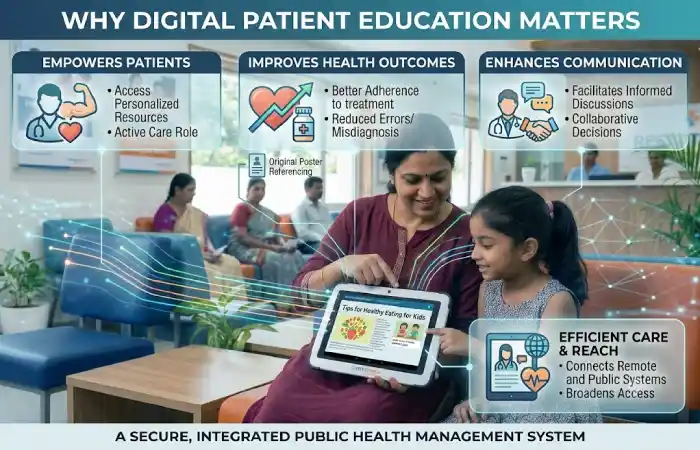
Modern medicine is not limited to diagnosis and treatment of diseases but also educating the patients to:
- Preventive healthcare
- Healthy lifestyle choices
- Medication awareness
- Chronic disease management
- Screening recommendations
- Follow-up care
- Treatment expectations
Digital access of this material provides it to users as a cohesive element of text and graphics with video and other interactive features.
Rather than overwhelming the patient with lengthy printouts and materials on print materials, print health tablet could be useful to offer data in modest and manageable item.
How Does the ContextMedia Health Tablet Work?
The platform is typically deployed within healthcare facilities such as:
- Medical clinics
- GP practices
- Specialist outpatient centres
- Community health centres
- Waiting rooms
- Consultation rooms
A simplified workflow generally looks like this.
| Step | What Happens |
| Patient arrives | Tablet becomes available in the waiting area or examination room |
| User interaction | Patient selects relevant health topics or receives suggested content |
| Educational viewing | Videos, articles, illustrations, or wellness guidance are displayed |
| Consultation | Doctor discusses the patient’s condition using improved shared understanding |
| Follow-up | Patient leaves with clearer expectations and knowledge about next steps |
This workflow supports informed discussions rather than replacing professional medical advice.
Key Features of the ContextMedia Health Tablet
Although individual implementations vary, healthcare education tablets commonly include several useful capabilities.
Interactive Health Education
In place of still posters or handouts, they may look for information applicable to the patient’s problem.
Content may include:
- Disease overviews
- Preventive care guidance
- Healthy lifestyle advice
- Nutrition education
- Exercise recommendations
- Vaccination information
- Medication awareness
Patients will feel more involved when they have a chance to review at their own pace.
Educational Videos
A visual explanation is much clearer to understand for most patients than reading through it.
Healthcare tablets may include:
- Animated medical explanations
- Preventive care videos
- Treatment demonstrations
- Lifestyle improvement guidance
- Wellness campaigns
Visual content can simplify complex medical concepts for a broad audience.
Personalised Information
Depending on the healthcare environment, content may be tailored to:
- Age group
- Medical speciality
- Appointment type
- General health interests
- Preventive screening recommendations
This targeted approach helps present information that is more relevant to individual patients.
Easy-to-Use Interface
Healthcare technology should remain accessible for users with varying levels of digital experience.
Common interface characteristics include:
- Large icons
- Clear menus
- Simple navigation
- Touch-friendly controls
- Readable fonts
- Straightforward language
These features improve usability for younger and older patients alike.
Waiting Room Engagement
Waiting periods can sometimes feel unproductive. Educational tablets transform this time into an opportunity for learning.
Patients may explore:
- Healthy living tips
- Seasonal health advice
- Screening programmes
- Preventive care recommendations
- Frequently asked medical questions
This can encourage more meaningful discussions once the consultation begins.
What Types of Content Does the Platform Cover?
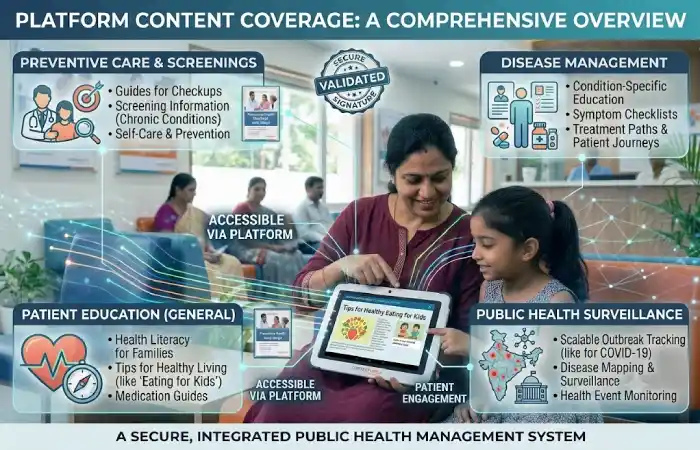
Healthcare education platforms typically organise information into categories.
| Category | Examples |
| Preventive Health | Vaccinations, screenings, annual check-ups |
| Chronic Conditions | Diabetes, asthma, hypertension |
| Women’s Health | Pregnancy, menopause, breast health |
| Men’s Health | Prostate health, heart health |
| Children’s Health | Nutrition, vaccinations, development |
| Mental Wellbeing | Stress management, anxiety awareness |
| Nutrition | Healthy eating guidance |
| Fitness | Physical activity recommendations |
| Medication Education | Safe medicine use |
| Lifestyle | Sleep, hydration, smoking cessation |
The exact content available depends on the healthcare organisation and platform configuration.
Navigating the ContextMedia Health Tablet
Most healthcare tablets are intentionally simple to navigate.
A typical user journey includes:
Home Screen
Patients are presented with major health categories and featured topics.
↓
Select a Health Topic
Users choose an area relevant to their interests or upcoming consultation.
↓
Explore Educational Resources
Content may include:
- Articles
- Short videos
- Medical illustrations
- Frequently asked questions
- Interactive guides
↓
Learn Key Information
Patients review material before discussing concerns with healthcare professionals.
↓
Consultation Support
The information helps patients ask informed questions during their appointment.
This straightforward navigation reduces confusion and makes healthcare information more approachable.
Is the Context Media Health Tablet Trustworthy?
Trust is an essential consideration when evaluating any healthcare information platform.
Several factors contribute to credibility:
Evidence-Based Content
Healthcare education platforms generally aim to present information consistent with recognized medical guidance rather than personal opinion.
Clinical Environment
Because these tablets are commonly used within healthcare settings, the information is typically selected to complement professional medical consultations.
Educational Purpose
It is important to understand that the platform serves an educational role. It does not diagnose illnesses, prescribe treatments, or replace advice from qualified healthcare professionals.
Content Review
Healthcare organisations may periodically review or update educational materials to reflect current clinical recommendations, though update frequency can vary between implementations.
ContextMedia Health Tablet vs Traditional Patient Information
| Feature | ContextMedia Health Tablet | Printed Leaflets |
| Interactive learning | ✔ Yes | ✖ No |
| Educational videos | ✔ Yes | ✖ No |
| Easy updates | ✔ Content can be refreshed | ✖ Requires reprinting |
| Visual engagement | ✔ High | Moderate |
| Accessibility | Often touch-based with clear navigation | Depends on print quality |
| Personalised content | May be available | Usually general information |
Digital platforms offer greater flexibility, while printed materials remain useful for patients who prefer physical resources or need information to take home.
Who Should Use the ContextMedia Health Tablet?
The ContextMedia Health Tablet is intended to support a wide range of healthcare users. While it is primarily designed for patients, it can also benefit healthcare professionals by making educational resources more accessible.
Patients
Patients waiting for appointments can use the tablet to learn more about:
- Their medical condition
- Preventive healthcare
- Healthy lifestyle habits
- Treatment options
- Medication safety
- Follow-up care
- Questions they may wish to discuss with their clinician
Rather than replacing the consultation, the platform helps patients arrive better informed.
Healthcare Professionals
Doctors, nurses, pharmacists and other healthcare staff may use the platform to:
- Reinforce health education
- Explain complex topics visually
- Introduce preventive care initiatives
- Support shared decision-making
- Encourage patient engagement
Healthcare Organisations
Hospitals, clinics and medical practices can use digital education platforms to provide consistent information across different departments and patient groups.
Common Use Cases
The ContextMedia Health Tablet can be used in many healthcare scenarios.
Preventive Healthcare
Patients can learn about:
- Vaccination schedules
- Routine health checks
- Cancer screening programmes
- Healthy ageing
- Disease prevention
Chronic Disease Education
Individuals living with long-term conditions may access educational content covering:
- Diabetes management
- High blood pressure
- Heart health
- Asthma care
- Arthritis management
Lifestyle Improvement
Educational resources often include practical guidance on:
- Nutrition
- Physical activity
- Sleep hygiene
- Weight management
- Smoking cessation
- Stress management
Medication Awareness
Patients may learn:
- Why medicines are prescribed
- How medications work
- Importance of adherence
- Potential side effects
- Safe medicine storage
Topic Clusters Covered
Healthcare education platforms generally organise information into major topic areas.
| Topic Cluster | Example Subjects |
| General Health | Healthy living, preventive care |
| Family Health | Child development, parenting advice |
| Women’s Health | Pregnancy, menopause, breast health |
| Men’s Health | Prostate health, cardiovascular wellness |
| Senior Health | Healthy ageing, mobility, fall prevention |
| Mental Wellbeing | Anxiety, stress, emotional health |
| Nutrition | Balanced diets, hydration, healthy eating |
| Physical Activity | Exercise recommendations for different age groups |
| Disease Education | Chronic illness awareness and management |
| Medication Safety | Proper medicine use and adherence |
These categories help patients find information that matches their individual health needs.
Practical Example of Patient Use
Imagine a patient attending a routine appointment for high blood pressure.
Before meeting the clinician, they use the ContextMedia Health Tablet to explore:
- How blood pressure affects the body
- Lifestyle changes that may help
- Common treatment approaches
- Dietary recommendations
- Questions to ask during the consultation
When the appointment begins, the patient already has a basic understanding of the condition, allowing for a more focused and productive discussion with the healthcare provider.
Expectations: What the ContextMedia Health Tablet Can and Cannot Do
It is important to have realistic expectations about the platform.
What It Can Do
- Improve patient understanding
- Present health information clearly
- Encourage preventive healthcare
- Support conversations with clinicians
- Increase engagement during waiting times
- Provide educational videos and articles
- Reinforce advice given by healthcare professionals
What It Cannot Do
- Diagnose medical conditions
- Replace a doctor or nurse
- Prescribe medication
- Interpret individual laboratory results
- Provide emergency medical care
- Guarantee health outcomes
- Replace personalised medical advice
The tablet should always be viewed as an educational support tool rather than a substitute for professional healthcare. For more related articles visit our website
Advantages of the ContextMedia Health Tablet
Digital health education platforms offer several benefits.
Improved Patient Engagement
Interactive content often captures attention more effectively than printed materials.
Better Health Literacy
Patients can develop a clearer understanding of medical terminology, treatments and preventive care.
Consistent Information
Every patient receives information presented in a standardised format, reducing the risk of inconsistent messaging.
Efficient Waiting Time
Educational content transforms waiting periods into opportunities for learning.
Visual Learning
Animations, graphics and videos can simplify complex medical concepts for people with different learning preferences.
Potential Limitations
Although useful, the ContextMedia Health Tablet also has some limitations.
Content Availability
The range of educational materials depends on the healthcare provider’s implementation and licensing.
Digital Confidence
Some users, particularly those unfamiliar with touchscreen devices, may require assistance.
Accessibility Needs
Patients with significant visual, hearing or motor impairments may need additional accessibility features or alternative educational formats.
Internet or System Updates
Some features may depend on software updates or connectivity, depending on how the platform is deployed.
Educational Scope
The tablet provides general educational information and may not address every individual’s unique medical circumstances.
ContextMedia Health Tablet Compared with Traditional Health Education
| Feature | ContextMedia Health Tablet | Face-to-Face Education Only |
| Available before consultation | ✔ Yes | ✖ No |
| Interactive learning | ✔ Yes | Limited |
| Videos and animations | ✔ Yes | Usually unavailable |
| Self-paced learning | ✔ Yes | Depends on appointment time |
| Opportunity for follow-up questions | ✔ During consultation | ✔ During consultation |
| Personal medical advice | ✖ No | ✔ Yes |
Both approaches complement each other. Digital education prepares patients with background knowledge, while healthcare professionals provide personalised advice based on individual medical needs.
Similar Healthcare Information Platforms
Healthcare organisations may use a variety of patient education systems. While features differ, many platforms share common goals:
- Deliver reliable educational content
- Improve patient understanding
- Encourage preventive healthcare
- Support clinician–patient communication
- Enhance waiting room engagement
When evaluating any platform, consider:
- Ease of use
- Accessibility features
- Content quality
- Frequency of updates
- Privacy safeguards
- Suitability for the intended healthcare setting
FAQ’s
What is the ContextMedia Health Tablet?
The ContextMedia Health Tablet is used in a variety of health-care settings and is a digital, patient-friendly tablet offering trustworthy information, patient- friendly videos and a collection of digital tools designed to enhance discussions between the patients and their health-care provider.
Is the ContextMedia Health Tablet a medical device?
The primary objective of this is to educate patients about the cause and/or nature of illness. The ultimate intent is not to recommend any diagnostic process or prescribe medication.
Can patients rely solely on the information provided?
No The information is intended to supplement-and not replace-recommendations from qualified healthcare providers who know a person’s medical history and can properly assess their situation.
Where is the ContextMedia Health Tablet commonly used?
It’s frequently seen in clinics, hospitals, outpatient clinics, private practices, and any other medical facility where patient education is an essential component of care.
Does the ContextMedia Health Tablet require internet access?
It just depends how it was put in for your health organisation some may use cloud systems to store this information and some will have it locally with the educational material on them.
Is patient information stored on the tablet?
Depending on how that is deployed. However, it’s unlikely you are going to ignore the standard privacy and security policies in place for all the systems at the healthcare facility and all applicable laws and regulations pertaining to protected patient data.
Conclusion
The ContextMedia Health Tablet represents a practical approach to digital patient The ContextMedia Health Tablet offers a pragmatic solution to digital patient education in today’s healthcare settings. The Tablet enables a better informed and engaged patient before and throughout appointments, by offering patient-friendly content relating to disease awareness, preventative care and healthy lifestyle guidance. Whilst enhancing engagement and empowering patient literacy, the Tablet should be considered an educational tool and not a substitute for clinical skills and knowledge in the context of diagnosis, treatment planning and individual medical advice.
When used alongside professional care, the ContextMedia Health Tablet can contribute to clearer communication, more productive consultations and a better-informed patient experience.